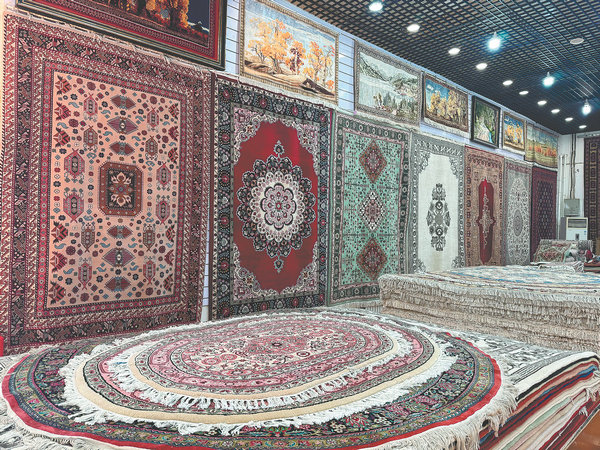
Xinjiang Carpets
Introduction
Xinjiang carpets are an integral part of the cultural and historical landscape of the Xinjiang Uygur autonomous region in Northwest China. Known for their distinctive designs and vibrant colors, these carpets are crafted from superior wool meticulously woven into intricate patterns. They serve both functional and decorative purposes, providing insulation and enhancing the aesthetic appeal of homes. The art of carpet weaving in Xinjiang is a showcase of exquisite craftsmanship, reflecting the rich traditions and diverse cultural influences of the region. These carpets are utilized by various ethnic groups in Xinjiang not just to cover floors and sofas but also to adorn walls, making them a ubiquitous feature in traditional households.
History
The history of Xinjiang carpets stretches back over 2,000 years, with archaeological evidence supporting their ancient origins. Carpet fragments from the late Western Han Dynasty (206 BC-AD 24), discovered in the ruins of the ancient city of Loulan, indicate that the art of wool handmade carpets has deep roots in this region. Historically, Xinjiang has been a significant crossroads on the ancient Silk Road, which infused its carpet-making tradition with diverse cultural influences. By the 16th century, Xinjiang carpets had already penetrated European markets, and during the Qing Dynasty (1644-1911), they were pivotal as tribute items for the imperial court. Hotan in Xinjiang became renowned for producing high-quality carpets, which were made from local sheep's wool known for its unique texture and resilience.
Design and Patterns
Xinjiang carpets are celebrated for their intricate designs and patterns, which often reflect natural motifs such as plants, flowers, and animals. Traditional designs include patterns like the anargul (pomegranate flower), bash chichak gul (five-petaled flower), and chachma gul (scattered flower). These motifs are often expanded into geometric patterns, creating a full-border composition that is both visually captivating and culturally significant. The carpets also incorporate elements inspired by various cultures along the Silk Road, such as rose patterns from Egypt and mountain peak designs from Turkiye and Iran. The influence of Central Plains embroidery is also evident in the depiction of peony and lotus patterns.
Production Process
The production of Xinjiang carpets is a meticulous process that involves several stages, each requiring skilled craftsmanship and attention to detail. The process begins with the spinning of high-quality local wool into yarn, which is then dyed in vibrant colors. The dyed yarn is twisted together to form the warp, weft, and pile. Weaving is primarily done on vertical looms, where warp and weft threads are interlaced to create a base, followed by attaching small wool knots to the warp to form the pile. A single carpet can consist of thousands of knots, each contributing to the carpet's durability and aesthetic appeal. This labor-intensive process can take several months, with the size and density of the carpet determining the production time. The intricate designs are often pre-planned and sketched, with specific areas marked for colors, ensuring the final product is both beautiful and precise.
Cultural Significance
Xinjiang carpets hold significant cultural value, serving as more than just decorative items. They are a testament to the region's rich heritage and the skill of its artisans. The carpets embody the stories and traditions of the various ethnic groups in Xinjiang, with each pattern and color scheme conveying particular meanings and narratives. The ancient art of carpet weaving is passed down through generations, preserving a vital aspect of cultural identity in Xinjiang. These carpets are not only practical but also symbolize the historical and artistic legacy of the region, celebrated for their inclusive beauty that has garnered international acclaim over the centuries.
Economic Impact
The carpet industry in Xinjiang is a vital component of the local economy, providing employment and contributing to economic development. Companies like Nakixwan Carpets in Hotan have grown from small family workshops into larger enterprises, employing over 100 weavers and offering training to locals interested in learning the craft. The industry supports many individuals by providing stable jobs and income, especially in rural areas. The market for Xinjiang carpets extends beyond local and national borders, with a steady stream of international orders from countries such as Japan, the United States, Portugal, and Australia. The industry's success is also bolstered by its recognition on the national-level intangible cultural heritage list, which has facilitated support and innovation.
Global Presence
Xinjiang carpets have established a global presence, admired for their artistry and craftsmanship. Their international appeal is rooted in their historical significance and the exquisite quality that distinguishes them from other carpets. The carpets have long been part of the global trade network, with their entry into European markets dating back to the 16th century. Today, they continue to capture the interest of consumers worldwide who appreciate their unique patterns and traditional craftsmanship. The global reach of Xinjiang carpets is further expanded through participation in international expos and collaborations with designers, ensuring that this ancient craft remains vibrant and relevant in contemporary markets.








